
Blogeinträge
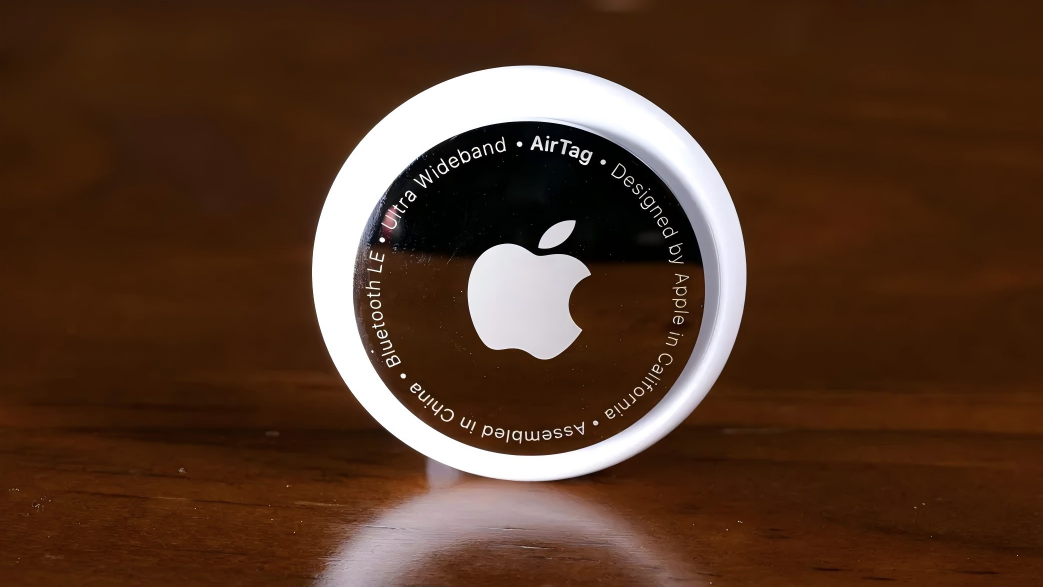
Say goodbye to forgetfulness: How do smart locators such as AirTag resolve the worry of forgetting?
In today’s fast-paced, multitasking world, distraction and stress can impair memory by affecting attention and the brain’s ability to encode and retrieve information. To cope, people increasingly rely on technology as a form of “cognitive offloading,” using devices like Apple’s AirTag as a digital extension of memory. AirTags help locate everyday items—keys, wallets, luggage, or even pets—by using Apple’s Find My network. Features like sound alerts, lost mode, and location sharing reduce anxiety over lost items and make retrieval easier. While they offer great convenience, smart locators should complement—not replace—good organizational habits. Ultimately, smart locators reflect a shift in how we manage memory: offloading routine details to technology so our minds can focus on more important thinking and creativity.
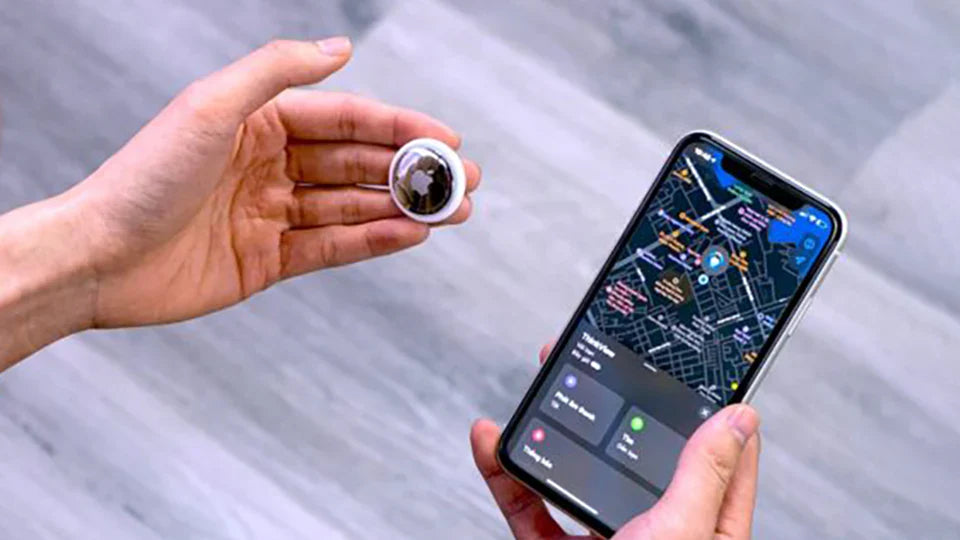
Is Someone Tracking You with an AirTag? Here's How to Stop It Fast
Apple’s Find My network helps users locate lost devices—even when they’re offline—by leveraging a vast, anonymous network of Apple products. But how does it protect your privacy in the process? This article explores the core mechanisms behind the Find My system, including AirTag’s built-in anti-tracking features, encrypted location data, and essential settings to guard against unwanted tracking or surveillance. Learn how to identify suspicious AirTags, scan for threats, and fine-tune your privacy settings to stay in control.
Common situations and solutions when Google Find My Device does not work
Having trouble with Google Find My Device? Whether it's a device that won't appear, Bluetooth issues, or problems with remote controls, this guide covers the most common reasons Google Find My Device may not work—and how to fix them. Learn step-by-step troubleshooting tips to regain control, protect your data, and make the most of this essential Android security tool.
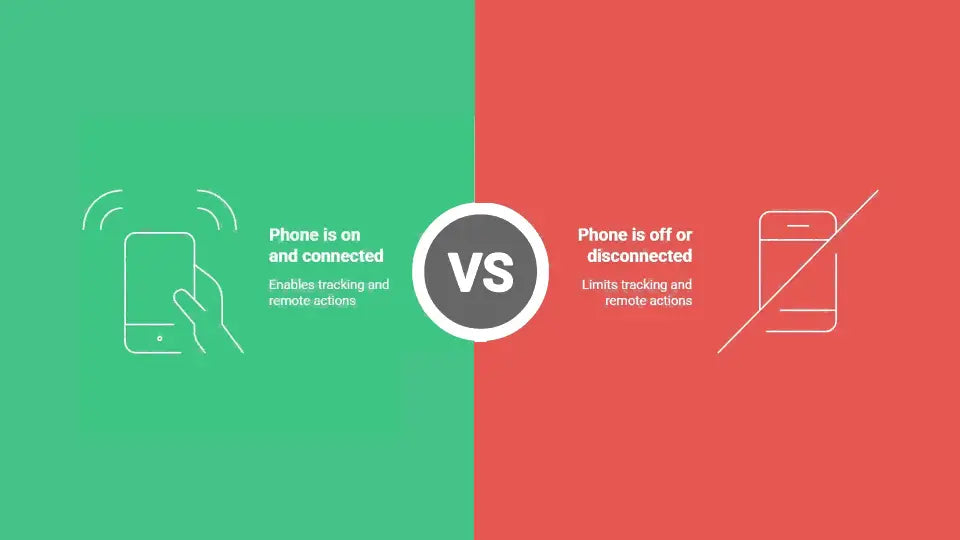
Is Google Find My Device Applicable to Stolen Phones?
Worried about a stolen Android phone? Google Find My Device offers powerful features to help you track, lock, and protect your phone. It allows you to locate your device in real-time, remotely lock it with a new PIN, display a custom message on the lock screen, and wipe all personal data if necessary. However, if the phone is powered off or offline, or if malware is installed, some limitations apply. Despite these, Find My Device remains a vital tool for securing your personal data and preventing unauthorized access in case of theft.
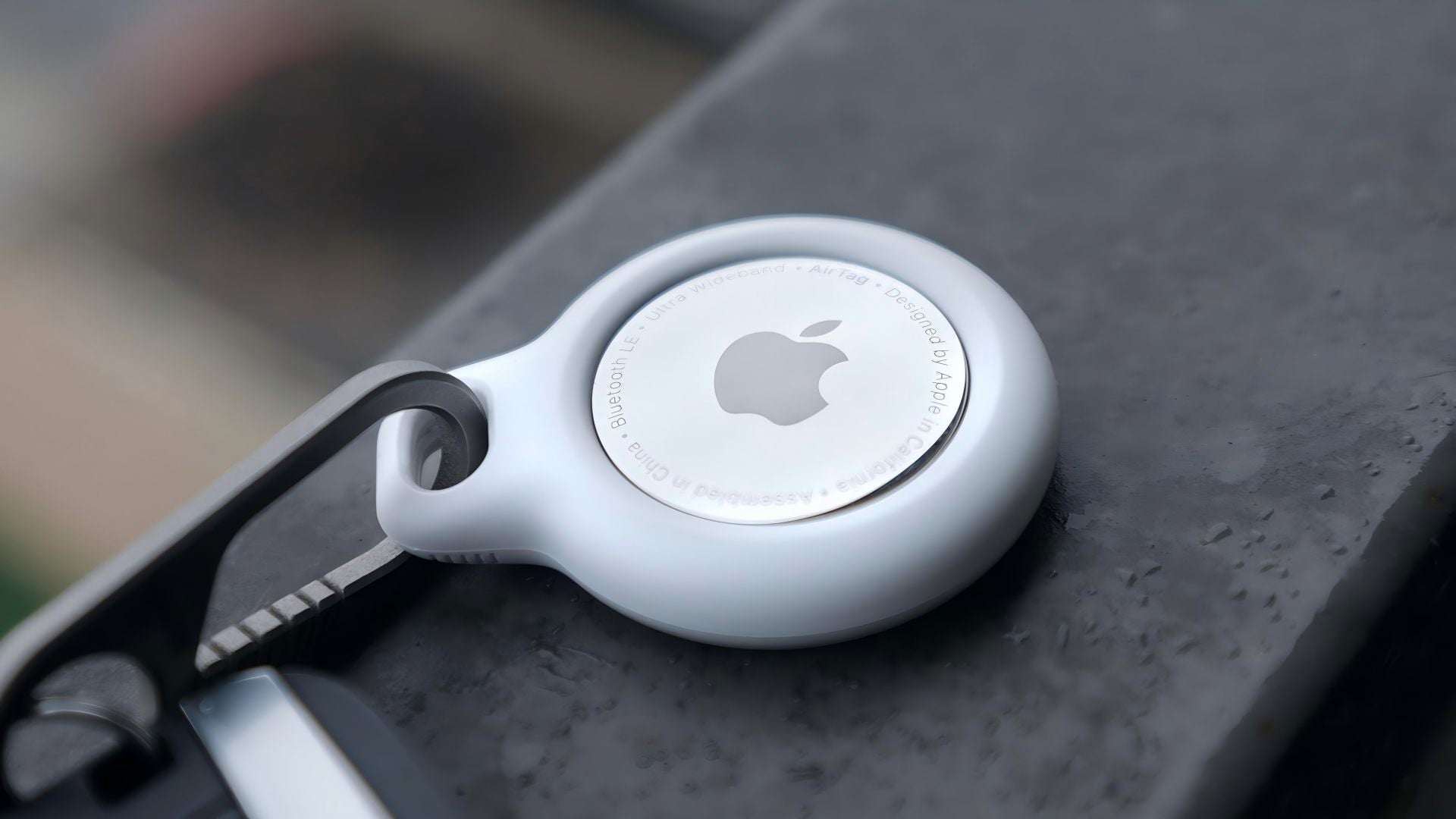
AirTag cannot connect? 6 common reasons and solutions
Having trouble connecting your AirTag to your iPhone? This article highlights six common issues and provides quick solutions to help you get your AirTag working again. Common problems include Bluetooth being off, location services not enabled, outdated iOS, low battery, incorrect Find My settings, or the AirTag being linked to another account. Follow these simple troubleshooting steps to resolve most connection issues. If the problem persists, consider contacting Apple Support or scheduling a Genius Bar appointment for further assistance.
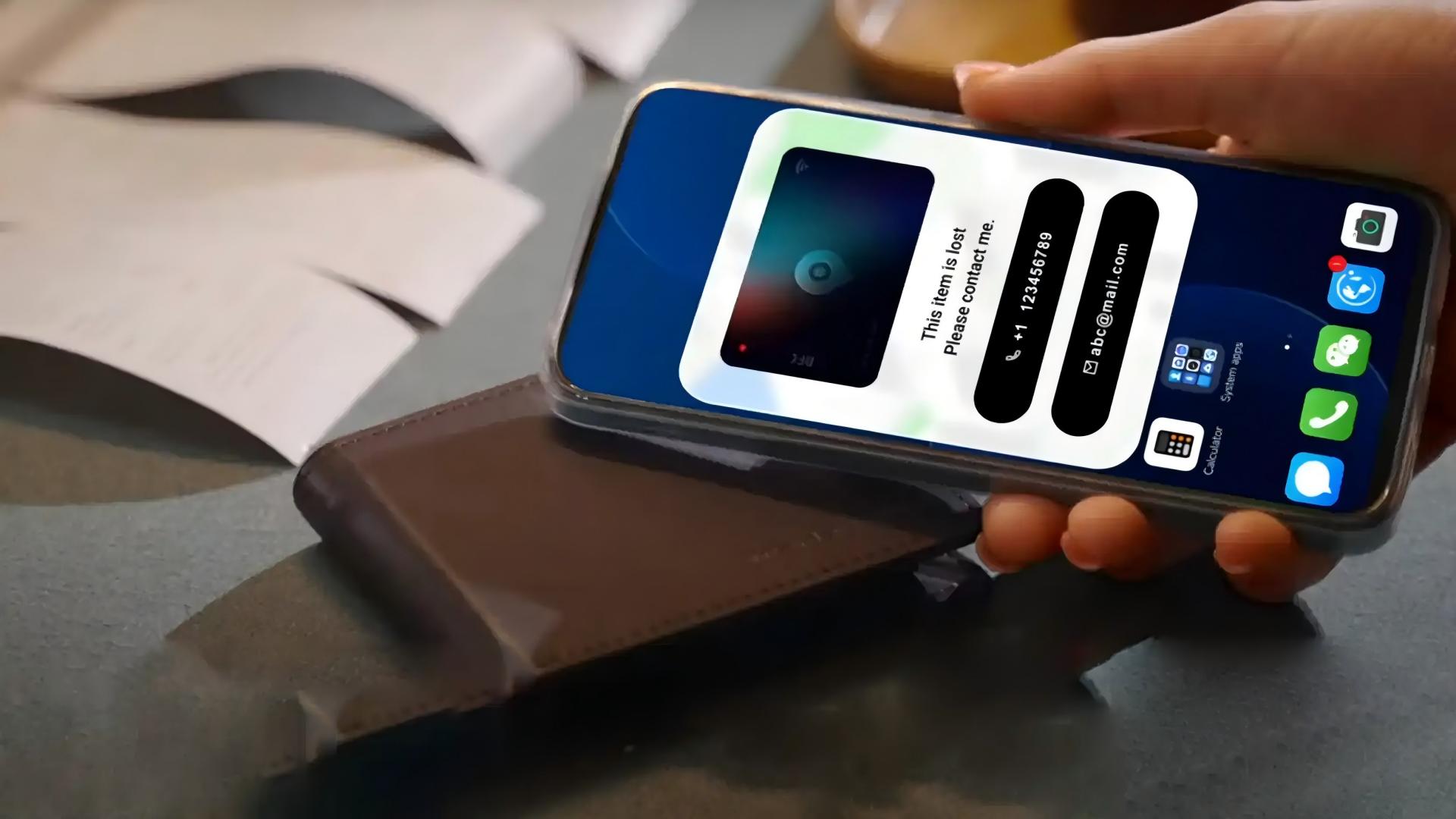
Why Every Smart Tracker Needs an NFC Business Card in 2025
Smart trackers in 2025 are more than just location tools—they're also a fast, contactless way to help others return your lost items. With built-in NFC business card features, these devices let anyone tap their phone and instantly access your contact details—no apps, no QR codes, no delays. It’s the easiest way to make your valuables smarter, more connected, and truly returnable.